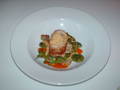
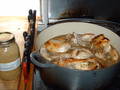
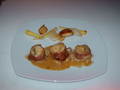
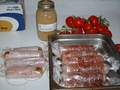
<?xml version="1.0" encoding="UTF-8"?>
<!--Generated by Squarespace Site Server v4.1.2 (http://www.squarespace.com/) on Fri, 16 May 2008 18:52:45 GMT--><rdf:RDF xmlns:rdf="http://www.w3.org/1999/02/22-rdf-syntax-ns#" xmlns:rss="http://purl.org/rss/1.0/" xmlns:dc="http://purl.org/dc/elements/1.1/" xmlns:sy="http://purl.org/rss/1.0/modules/syndication/" xmlns:admin="http://webns.net/mvcb/" xmlns:content="http://purl.org/rss/1.0/modules/content/" xmlns:cc="http://web.resource.org/cc/"><rss:channel rdf:about="http://soupnancy.squarespace.com/whats-cooking-recipes/"><rss:title>Ingredient or Dish</rss:title><rss:link>http://soupnancy.squarespace.com/whats-cooking-recipes/</rss:link><rss:description></rss:description><dc:language>en-US</dc:language><dc:date>2008-05-16T18:52:45Z</dc:date><admin:generatorAgent rdf:resource="http://www.squarespace.com/">Squarespace Site Server v4.1.2 (http://www.squarespace.com/)</admin:generatorAgent><rss:items><rdf:Seq><rdf:li rdf:resource="http://soupnancy.squarespace.com/whats-cooking-recipes/2008/4/11/gravelax.html"/><rdf:li rdf:resource="http://soupnancy.squarespace.com/whats-cooking-recipes/2008/4/3/rabbit.html"/><rdf:li rdf:resource="http://soupnancy.squarespace.com/whats-cooking-recipes/2008/3/23/eggs.html"/><rdf:li rdf:resource="http://soupnancy.squarespace.com/whats-cooking-recipes/2008/3/11/polenta-fries.html"/><rdf:li rdf:resource="http://soupnancy.squarespace.com/whats-cooking-recipes/2008/2/13/tongue.html"/><rdf:li rdf:resource="http://soupnancy.squarespace.com/whats-cooking-recipes/2008/1/15/duck-gnudi.html"/><rdf:li rdf:resource="http://soupnancy.squarespace.com/whats-cooking-recipes/2007/12/6/confiture-de-lait-dulce-de-leche.html"/><rdf:li rdf:resource="http://soupnancy.squarespace.com/whats-cooking-recipes/2007/12/6/winter-squash.html"/><rdf:li rdf:resource="http://soupnancy.squarespace.com/whats-cooking-recipes/2007/5/9/snow-crab-or-lobster-salad.html"/><rdf:li rdf:resource="http://soupnancy.squarespace.com/whats-cooking-recipes/2007/5/9/5-ways-with-fiddleheads.html"/></rdf:Seq></rss:items></rss:channel><rss:item rdf:about="http://soupnancy.squarespace.com/whats-cooking-recipes/2008/4/11/gravelax.html"><rss:title>Gravelax</rss:title><rss:link>http://soupnancy.squarespace.com/whats-cooking-recipes/2008/4/11/gravelax.html</rss:link><dc:creator>Nancy Hinton</dc:creator><dc:date>2008-04-11T16:46:22Z</dc:date><dc:subject>Autumn Winter Spring Summer Appetizers Dish Fish and Seafood</dc:subject><content:encoded><![CDATA[<p><u><strong>Gravelax </strong></u></p><p>It&rsquo;s spelled so many ways I don&rsquo;t know which is right. But what it is, is cured salmon, (or any fish nowadays) that gets a salt/sugar/spice treatment and is eaten as such, somewhere between cooked and raw, silky and toothsome, easy to love. </p><p>This was one of the first recipes I gravitated towards and attacked as a young cook; my first experiments date to even before cooking school. So it was also one of the first dishes I felt I mastered because I made it so much, and maybe because my boyfriend at the time LOVED it. The original recipe involved a cure of fine salt and sugar, some brandy, pepper and allspice, lots of dill of course, pressed for three days. Served with some mustardy homemade mayo with dill and some blinis or toast (at the time), I didn&rsquo;t think it could get any better. </p><p>Nonetheless, as I grew as a cook, I had a lot of fun playing around with the recipe and eventually did get bored.. In fact, I broke up with the dish when I broke up with the guy, suddenly having no desire to go there anymore. It also happened that at that time in nineties restaurant food trends, &lsquo;smoked&rsquo; was coming back in, as was everything raw, and so all the restaurants I was working in were into smoking their salmon or serving it fresh in tartare, cured was out. I was all about it. To shake it up every now and again, I&rsquo;d riff on the smoked, even go to gravelax, but with gin and juniper, with mirin, soy, ginger and coriander, with vodka, citrus and fennel, with maple, cider and tea, with coarse salt and brown sugar instead of regular salt and sugar, I&rsquo;d go for a shorter intense cure, a longer un-pressed cure, anything but the classic I once loved. Most were successful, but somehow, none measured up to that first taste memory. I suspected it had more to do with matters of the heart than my evolution as a cook, but no matter. </p><p>Fast forward ten years. In parallel with my current tendency towards tradition and simplicity, and because enough time has elapsed that the original association with that ex-boyfriend is dead, I am ready to revisit that old recipe. </p><p>The only thing I&rsquo;m doing differently is using arctic char, and maple brandy and some maple syrup (it is maple season after all). And I&rsquo;ll probably serve it with a maple enhanced mustard condiment and something crunchy and fresh, maybe glaze it, we&rsquo;ll see.. but that&rsquo;s only because this is a restaurant and so a few extra touches are in order; it should be great on it&rsquo;s own. With toast and mustardy mayo like in the old days. </p><p><span class="thumbnail-image-float-left"><a href="http://soupnancy.squarespace.com/display/ShowImage?imageUrl=%2Fstorage%2Fgravelax%2520going%2520to%2520cure.jpg&imageTitle=848659-1485069-thumbnail.jpg" onclick="window.open(this.href, '_blank', 'width=2560,height=1920,scrollbars=no,resizable=no,toolbar=no,directories=no,location=no,menubar=no,status=no'); return false;"><img style="width: 120px; height: 90px" alt="848659-1485069-thumbnail.jpg" src="http://soupnancy.squarespace.com/storage/thumbnails/848659-1485069-thumbnail.jpg" /></a><br /><span class="thumbnail-caption" style="width: 120px">Gravelax off to cure</span></span></p><p><span class="thumbnail-image-float-left"><a href="http://soupnancy.squarespace.com/display/ShowImage?imageUrl=%2Fstorage%2Fcured%2520char.jpg&imageTitle=848659-1485073-thumbnail.jpg" onclick="window.open(this.href, '_blank', 'width=2560,height=1920,scrollbars=no,resizable=no,toolbar=no,directories=no,location=no,menubar=no,status=no'); return false;"><img style="width: 120px; height: 90px" alt="848659-1485073-thumbnail.jpg" src="http://soupnancy.squarespace.com/storage/thumbnails/848659-1485073-thumbnail.jpg" /></a><br /><span class="thumbnail-caption" style="width: 120px">cured char (end pieces ready first)</span></span></p><p><span class="thumbnail-image-float-left"><a href="http://soupnancy.squarespace.com/display/ShowImage?imageUrl=%2Fstorage%2Farctic%2520char%2520cured%2520and%2520smoked%2520root%2520veg%2520remoulade%2520maple%2520crinkleroot%2520mustard.jpg&imageTitle=848659-1485076-thumbnail.jpg" onclick="window.open(this.href, '_blank', 'width=2560,height=1920,scrollbars=no,resizable=no,toolbar=no,directories=no,location=no,menubar=no,status=no'); return false;"><img style="width: 120px; height: 90px" alt="848659-1485076-thumbnail.jpg" src="http://soupnancy.squarespace.com/storage/thumbnails/848659-1485076-thumbnail.jpg" /></a><br /><span class="thumbnail-caption" style="width: 120px">char, maple cured and smoked, root veg remoulade with crinkleroot maple mustard, amaranth&nbsp;and pickled daisy buds</span></span></p><p>&nbsp;</p><p>&nbsp;</p><p>&nbsp;</p><p>&nbsp;</p><p>&nbsp;</p><p>&nbsp;</p><p>&nbsp;</p><p>&nbsp;</p><p><u>Gravelax </u></p><p>Enough for a party (or breakfast and lunch for a week for two) </p><p>&nbsp;</p><p>1 Salmon filet (around 3lb net), preferably wild or organic </p><p>3/4 c sea salt </p><p>1 c sugar </p><p>1/2 c maple syrup </p><p>2oz brandy </p><p>2 bunches dill </p><p>3T peppercorns, crushed </p><p>1T allspice, crushed </p><p>Clean filet if it&rsquo;s not already done (debone, trim). Slice filet in two. Mix salt, sugar and spices together with brandy and maple syrup to make a slurry. Layer filets with salt mixture and dill (make a sandwich with skin outward) with some slurry and dill in between, under and over. Cover with saran wrap and weigh down with another baking dish with tomato cans or whatever you have. Let sit for 2-3 days, flipping at least once. For a thick salmon filet or a whole fish, 3 days is better. My char is thin, so two will be enough. Rinse off, dry and slice. It will keep for a week or so. </p><p></p><p><strong>A la minute version: </strong></p><p>Slice fresh (sushi-grade) salmon thinly on a plate. Add a generous splash of maple syrup, a scant splash of brandy, and a tablespoon or two of olive oil. Brush on (with a pastry brush) to evenly distribute. Sprinkle with sea salt, a generous amount of cracked pepper and a scant crack of allspice and some chopped fresh dill. Cover with saran wrap and press down so that there is no exposure to air. Let sit for an hour or two, serve. Squeeze with lemon or serve on side. </p>]]></content:encoded></rss:item><rss:item rdf:about="http://soupnancy.squarespace.com/whats-cooking-recipes/2008/4/3/rabbit.html"><rss:title>Rabbit</rss:title><rss:link>http://soupnancy.squarespace.com/whats-cooking-recipes/2008/4/3/rabbit.html</rss:link><dc:creator>Nancy Hinton</dc:creator><dc:date>2008-04-03T07:30:51Z</dc:date><dc:subject>Autumn Winter Spring Summer Meat Mains Ingredient</dc:subject><content:encoded><![CDATA[<p><strong>Rabbit, Rabbit, Rabbit</strong></p><p>I&rsquo;ve had rabbit on the mind. To my delight, Fran&ccedil;ois showed up last week with some fresh specimens from one of our neighbours (maybe because I had been whining that it had been a while since we&rsquo;d eaten a good rabbit..). So I cooked it up a few different ways and put it on the menu. I also had to get my course outline and orders in for an upcoming class I am giving on the subject, so it helped me get into the mood. </p><p><span class="thumbnail-image-float-left"><a href="http://soupnancy.squarespace.com/display/ShowImage?imageUrl=%2Fstorage%2Frabbit%2520two%2520ways%2520fiddleheads%2520crinkleroot%2520mustard%2520sauce.jpg&imageTitle=848659-1464095-thumbnail.jpg" onclick="window.open(this.href, '_blank', 'width=2560,height=1920,scrollbars=no,resizable=no,toolbar=no,directories=no,location=no,menubar=no,status=no'); return false;"><img style="width: 120px; height: 90px" alt="848659-1464095-thumbnail.jpg" src="http://soupnancy.squarespace.com/storage/thumbnails/848659-1464095-thumbnail.jpg" /></a><br /><span class="thumbnail-caption" style="width: 120px">rabbit, fiddleheads, tomato crinkleroot dressing</span></span></p><p><span class="thumbnail-image-float-left"><a href="http://soupnancy.squarespace.com/display/ShowImage?imageUrl=%2Fstorage%2Fbraising%2520rabbit%2520legs.jpg&imageTitle=848659-1464101-thumbnail.jpg" onclick="window.open(this.href, '_blank', 'width=2560,height=1920,scrollbars=no,resizable=no,toolbar=no,directories=no,location=no,menubar=no,status=no'); return false;"><img style="width: 120px; height: 90px" alt="848659-1464101-thumbnail.jpg" src="http://soupnancy.squarespace.com/storage/thumbnails/848659-1464101-thumbnail.jpg" /></a><br /><span class="thumbnail-caption" style="width: 120px">braising rabbit legs</span></span></p><p><span class="thumbnail-image-float-left"><a href="http://soupnancy.squarespace.com/display/ShowImage?imageUrl=%2Fstorage%2Frabbit%2520two%2520ways%2520wild%2520ginger%2520mustard%2520sauce.jpg&imageTitle=848659-1464097-thumbnail.jpg" onclick="window.open(this.href, '_blank', 'width=2560,height=1920,scrollbars=no,resizable=no,toolbar=no,directories=no,location=no,menubar=no,status=no'); return false;"><img style="width: 120px; height: 90px" alt="848659-1464097-thumbnail.jpg" src="http://soupnancy.squarespace.com/storage/thumbnails/848659-1464097-thumbnail.jpg" /></a><br /><span class="thumbnail-caption" style="width: 120px">rabbit two ways, wild ginger mustard sauce, root veg</span></span></p><p>&nbsp;</p><p>&nbsp;</p><p>&nbsp;</p><p>&nbsp;</p><p>&nbsp;</p><p>&nbsp;</p><p>Since my first taste, I have loved rabbit. I&rsquo;ve cooked it many times, and when it was on one of my menus or coming from the station I was working, I paid special attention to it; it was always my fetish dish, and inevitably heartbreaking because no one ordered it. I recall one exquisite dish that involved a mousseline with truffle (stuffed loin) and another I loved in gel&eacute;e with pink peppercorn that I laboured over night after night only to have it sit in my fridge. If only they knew what they were missing out on I would think and swear,&nbsp;&nbsp;&lsquo;!?%$%*!!!&rsquo; (multiple obscenities in both languages). So obviously, when I went out to dinner, I made a point doing the opposite - eager&nbsp;to happen upon&nbsp;the rabbit marvel that was surely hiding quietly in someone else&rsquo;s kitchen MEP. </p><p>If it&rsquo; is on the menu when I&rsquo;m out, you can be sure I&rsquo;m having it. Which means I&rsquo;ve had some fabulous rabbit dishes and some less than stellar renditions over the years. I remember being served a brilliant rabbit dish at Globe way back when Dave and Fred were there, and I also once really enjoyed a rustic hunter style dish at Da Emma; I&rsquo;ve let the flops fade&nbsp;from my memory. The thing is, rabbit is tricky. Well, it&rsquo;s just that it can easily be dry, especially when the commonly farmed breed (New Zealand) falls in careless hands. </p><p>There are meatier, more flavourful breeds like the Silver fox or the American Chinchilla making a comeback; for more info and in depth rabbit talk, see the article in the last Art of Eating (Number 76). Maybe it was that terrific piece that stimulated me (the way AofE articles do), but then there were the two bites of a tease I had on a Valentine's tasting menu at the Relais Champ&ecirc;tre in St-Alexis, or perhaps it&rsquo;s the fact that I drive by three &lsquo;rabbit for sale&rsquo; signs every day on my way to work, although now two are covered in snow.&nbsp; One is on a make-shift cardboard hand-written sign on someone&rsquo;s lawn surrounded by knick-knacks strewn about, which are presumably also for sale; another reads ' A Vandre'.&nbsp; Now I hate to be judgemental, but if you don't know how to spell 'for sale' or if your home looks like a junkyard, I tend to be a bit scared you haven't read the rabbit manual.&nbsp; I'm hardly jumping out of my car seat dying to buy your rabbit no matter how much I love rabbit.&nbsp;&nbsp;In any case, I got the message, the signs were sent, it was clear that it was high time I got to cooking rabbit again.&nbsp; I made sure&nbsp;our rabbit came&nbsp;from the third one, the taxidermist&nbsp;(see sign below)..&nbsp;</p><p><span class="thumbnail-image-float-left"><a href="http://soupnancy.squarespace.com/display/ShowImage?imageUrl=%2Fstorage%2Fa%2520rabbit%2520sign%2520on%2520a%2520nearby%2520home%2520lawn.jpg&imageTitle=848659-1464106-thumbnail.jpg" onclick="window.open(this.href, '_blank', 'width=1920,height=2560,scrollbars=no,resizable=no,toolbar=no,directories=no,location=no,menubar=no,status=no'); return false;"><img style="width: 120px; height: 160px" alt="848659-1464106-thumbnail.jpg" src="http://soupnancy.squarespace.com/storage/thumbnails/848659-1464106-thumbnail.jpg" /></a><br /><span class="thumbnail-caption" style="width: 120px">a rabbit sign (on my way to work)</span></span></p><p><span class="thumbnail-image-float-left"><a href="http://soupnancy.squarespace.com/display/ShowImage?imageUrl=%2Fstorage%2Frabbits.jpg&imageTitle=848659-1464103-thumbnail.jpg" onclick="window.open(this.href, '_blank', 'width=2560,height=1920,scrollbars=no,resizable=no,toolbar=no,directories=no,location=no,menubar=no,status=no'); return false;"><img style="width: 120px; height: 90px" alt="848659-1464103-thumbnail.jpg" src="http://soupnancy.squarespace.com/storage/thumbnails/848659-1464103-thumbnail.jpg" /></a><br /><span class="thumbnail-caption" style="width: 120px">rabbit in the raw</span></span></p><p><span class="thumbnail-image-float-left"><a href="http://soupnancy.squarespace.com/display/ShowImage?imageUrl=%2Fstorage%2Frabbit%2520loin%2520rolls%2520ready%2520to%2520go.jpg&imageTitle=848659-1464115-thumbnail.jpg" onclick="window.open(this.href, '_blank', 'width=2560,height=1920,scrollbars=no,resizable=no,toolbar=no,directories=no,location=no,menubar=no,status=no'); return false;"><img style="width: 120px; height: 90px" alt="848659-1464115-thumbnail.jpg" src="http://soupnancy.squarespace.com/storage/thumbnails/848659-1464115-thumbnail.jpg" /></a><br /><span class="thumbnail-caption" style="width: 120px">proscuitto rabbit loin rolls, ready to go</span></span></p><p>&nbsp;</p><p>&nbsp;</p><p>&nbsp;</p><p>&nbsp;</p><p>&nbsp;</p><p>&nbsp;</p><p>&nbsp;</p><p>&nbsp;</p><p>It&rsquo;s unfortunate that rabbit has fallen out of favour because it was once a traditional food, and easy to raise or hunt (after all, rabbits breed like rabbits and like to eat vegetable scraps). People today don&rsquo;t think to cook rabbit, maybe because they aren&rsquo;t readily available and only available whole, making it more work intensive than buying ready-to-go cuts of meat. </p><p>Then there&rsquo;s the reality that many Quebecois (and North Americans in general) have a bunny complex, skittish about eating something cute. In a restaurant setting, you know there will always be a chick squeamish about digging into Thumper (and it doesn&rsquo;t help that we have a set menu at JS..). It&rsquo;s hard to convince someone who&rsquo;s emotionally biased like that. Saying it&rsquo;s just like chicken doesn&rsquo;t work. Even though it&rsquo;s true; many compare it to chicken, and indeed many recipes for rabbit and chicken are interchangeable. Of course, it&rsquo;s not the same, but chances are if you like chicken, you will like properly cooked rabbit. In an old Larousse (I think) there is a note on how to distinguish it from cat, so I guess it resembles cat too (in the skinned raw state I guess)&ndash; I can&rsquo;t comment there; as far as I know, I have never eaten cat. And if it tastes like rabbit, well then I&rsquo;m game. </p><p>Rabbit has such a unique, delicate, delicious flavour, it's fabulous in terrines and confit, and it makes the best stock. That&rsquo;s why I think it is best stewed gently, but really it&rsquo;s almost necessary to separate the loin from the legs (as for most birds and beasts) for correct doneness. The legs are easy, a regular braise for a little over an hour with some wine, stock, aromats, maybe some mustard and cream, or some wild mushrooms, or with tomato, herbs and olives.. The saddle or loin is best cooked in a short time, but still gently. Because it is lean, barding (covering in fat like bacon) is a good idea for a pan-roast, but I&rsquo;ve found the best results with a short but low temperature sous-vide poach for tenderness, followed by a quick sear for flavour, and a rest in the juices. This recipe is inspired from Chapeau Canada (David Hawkesworth at West) - a bit of work maybe, but well worth it. </p><p>I finish&nbsp;a rabbit speel without mentioning Thomas Keller's treatment in his famous French Laundry Cookbook.&nbsp; Not only does his reverence for rabbit&nbsp;and enticing recipes inspire and make you a believer, but his rabbit story is a gem.&nbsp; It was a defining moment in his career when he was faced with a live rabbit hours before service, and he had to kill and skin it himself, after which trauma, he knew he had to do it justice and treat it with care in making the finest dish&nbsp;he could, not wasting a scrap - hammering home the importance of respect for the ingredient.</p><p>&nbsp;</p><p><strong>Saddle of rabbit with fresh herbs and and wild ginger mustard </strong></p><p><strong>Yield: 2 servings </strong></p><p>- adapted from David Hawkesworth (West, Vancouver) </p><p>40 g caul fat (optional) </p><p>1 rabbit saddle, deboned </p><p>2 Tbsp chopped fresh herbs (rosemary, thyme, tarragon, chives..) </p><p>4 slices proscuitto </p><p>s.q. salt, pepper </p><p>15 ml olive oil </p><p>20 g butter </p><p>30 ml wild ginger mustard or wild mushroom mustard </p><p>200 ml chicken stock </p><p><strong>Method: </strong></p><ol type="1"><li>Lay two pieces of caul fat on counter ( 8&rdquo; squares) and place the proscuitto in the middle. The caul fat helps hold the package nicely together, but it&rsquo;s not absolutely necessary. Lay the rabbit loin on top of the proscuitto, then sprinkle with herbs, season with salt and pepper, roll up, wrap in plastic wrap and tie ends with string. </li></ol><ol type="1" start="2"><li>Poach in 53C water for 30 minutes, refresh. Alternately, bring water to a boil, add rabbit rolls, turn off heat and let sit for 40 min. Cool immediately. </li></ol><ol type="1" start="3"><li>Slice rabbit into thick medallions, remove plastic. When ready to serve, pan sear medallions to nicely brown in olive oil, (standing up on the proscuitto edges to keep the rabbit meat ultra tender). Deglaze pan with chicken stock or a little white wine or water, let medallions sit down in jus and finish in medium-low oven to warm through (5 minutes). </li></ol><ol type="1" start="4"><li>Remove rabbit to rest and plate. Meanwhile, reduce pan juices down, whisk in butter to make pan jus, season to taste and serve over rabbit with a smear of mustard. The mustard can also go straight into the sauce if you want. </li></ol><p>&nbsp;</p><p><strong>Another recipe I'll be doing with my students (with the legs this time)</strong>: rabbit stew or civet revisited, a twist on a traditional recipe without the blood..</p><p><strong>Civet of Rabbit </strong></p><p><strong>Yield: 4 servings </strong></p><p>1 rabbit or hare, cut into serving pieces </p><p>1 c diced onion </p><p>&frac12; c diced carrot </p><p>&frac12; c diced celery </p><p>4 slices bacon, cut up </p><p>100g mushrooms, sliced </p><p>15 g dried porcini, rehydrated (keep soaking liquid, decanted)</p><p>30 ml red wine vinegar </p><p>250 ml red wine </p><p>3 ea parsley, thyme sprigs </p><p>20 g salted butter </p><p>20 g olive oil </p><p>700 mL chicken or duck stock </p><p>20 g unsweetened chocolate, chopped </p><p>s.q. flour for dredging </p><p>s.q. salt, pepper </p><p><strong>Method: </strong></p><p>1. Cook bacon to render the fat, add the mirepoix and cook, stirring over medium low heat. When soft, remove, leaving fat in pan. </p><p>2. Season and dredge rabbit pieces in flour, saut&eacute; and brown evenly. </p><p>3. Deglaze with vinegar and wine. Return vegetable mixture to pan. </p><p>4. Saut&eacute; mushrooms in butter and oil on the side and add to pan, along with diced reconstituted dried mushrooms and soaking liquid. </p><p>5. Add stock and bouquet garni. Bring to a simmer, and lower the heat to a low simmer. Cook until rabbit is tender (pulling off bone) and sauce is thick, about 1 hour. </p><p>6. Near the end of cooking, stir in chocolate. Taste and adjust seasoning.</p><p>7. Serve with rice lightly spiked with cinnamon, and/or roasted root vegetables or sweet potatoes.</p><p>&nbsp;</p><p><strong>Some other recipes, classic and not so.. </strong></p><p><strong>First, one note:</strong> I find the cooking times often on the short side for the legs, probably because they don't want to overcook the saddle when the rabbit is cooked whole. Don't be afraid to throw the legs back in or use only legs for a ragout type recipe and cook longer. If you're cooking a large quantity (as I do), you can figure 2Hr (as opposed to one) for the legs to be perfect, ie. melt in the mouth, easily coming off the bone but not pasty. </p><p>&nbsp;</p><p><strong>Jamie Oliver&rsquo;s Rabbit stew with dumplings</strong> </p><p><a href="http://www.seriouseats.com/recipes/2008/02/cook-the-book-rabbit-stew-with-dumplings.html">http://www.seriouseats.com/recipes/2008/02/cook-the-book-rabbit-stew-with-dumplings.html</a> </p><p><strong>Chef Simon&rsquo;s Lapin &agrave; la moutarde</strong> (with detailed pictures, but in French) </p><p><a href="http://www.chefsimon.com/lapin_moutarde.htm">http://www.chefsimon.com/lapin_moutarde.htm</a> </p><p>From Gourmet: </p><p><strong>Braised rabbit with egg noodles</strong> <a href="http://www.epicurious.com/recipes/food/views/108101">http://www.epicurious.com/recipes/food/views/108101</a> </p><p><strong>Paella with rabbit and artichokes</strong> <a href="http://www.epicurious.com/recipes/food/views/234657">http://www.epicurious.com/recipes/food/views/234657</a> </p><p>From BBC: </p><p><strong>Rabbit with calvados, port, thyme, bacon and juniper</strong> </p><p><a href="http://www.bbc.co.uk/food/recipes/database/rabbitwithcalvadospo_681.shtml">http://www.bbc.co.uk/food/recipes/database/rabbitwithcalvadospo_681.shtml</a> </p>]]></content:encoded></rss:item><rss:item rdf:about="http://soupnancy.squarespace.com/whats-cooking-recipes/2008/3/23/eggs.html"><rss:title>Eggs</rss:title><rss:link>http://soupnancy.squarespace.com/whats-cooking-recipes/2008/3/23/eggs.html</rss:link><dc:creator>Nancy Hinton</dc:creator><dc:date>2008-03-23T10:43:35Z</dc:date><dc:subject>Autumn Winter Spring Summer Appetizers Mains Ingredient Dish Desserts</dc:subject><content:encoded><![CDATA[<p><strong><u>The holy egg</u> </strong></p><p><span class="thumbnail-image-float-left"><a href="http://soupnancy.squarespace.com/display/ShowImage?imageUrl=%2Fstorage%2Fduck%2520eggs.jpg&imageTitle=848659-1435313-thumbnail.jpg" onclick="window.open(this.href, '_blank', 'width=2560,height=1920,scrollbars=no,resizable=no,toolbar=no,directories=no,location=no,menubar=no,status=no'); return false;"><img style="width: 120px; height: 90px" alt="848659-1435313-thumbnail.jpg" src="http://soupnancy.squarespace.com/storage/thumbnails/848659-1435313-thumbnail.jpg" /></a><br /><span class="thumbnail-caption" style="width: 120px">duck eggs</span></span></p><p>To follow up on my Ode to the egg for Easter (last year) <a href="http://soupnancy.squarespace.com/blog-journalessays/2007/4/6/my-easter-egg.html">http://soupnancy.squarespace.com/blog-journalessays/2007/4/6/my-easter-egg.html</a>,</p><p>Lets get cooking.. </p><p>&nbsp;</p><p>&nbsp;</p><p>Here are some of my favourite ways with eggs at home: see recipes below for..&nbsp;</p><ul><li>Gaby&rsquo;s cheddar scrambled eggs </li><li>Oeuf en cocotte with truffle and tomato </li><li>Frittata </li><li><div>Bread pudding with berries and chocolate </div></li></ul><p>&nbsp;</p><p><strong>And some other Easter recipes.. </strong></p><ul><li><div><strong>Baked Ham</strong>&nbsp; <a href="http://www.epicurious.com/recipes/food/views/241636">http://www.epicurious.com/recipes/food/views/241636</a>&nbsp;&nbsp; Following a similar method, you could use a bottle of red wine or cider, 1 cup of maple syrup instead of the sugar and honey, and add some spices (a few cloves, thyme, bay and black peppercorns)..</div></li><li><div><strong>Roast leg of lamb</strong> <a href="http://www.saveur.com/food/2000/roast-leg-of-lamb-15965.html">http://www.saveur.com/food/2000/roast-leg-of-lamb-15965.html</a> </div></li></ul><ul><li><div><strong>Roasted lamb shoulder</strong> &ndash; I love doing something similar but with Morrocan spices, and a stuffing using more spice with caramelized onions, olives, raisins, almonds and olive oil to bind.. <a href="http://chocolateandzucchini.com/archives/2007/11/slowroasted_shoulder_of_lamb_rubbed_with_rosemary_anchovy_and_lemon_zest.php">http://chocolateandzucchini.com/archives/2007/11/slowroasted_shoulder_of_lamb_rubbed_with_rosemary_anchovy_and_lemon_zest.php</a>&nbsp;</div></li><li><div><strong>Italian Easter egg bread</strong> <a href="http://www.epicurious.com/recipes/food/views/106188">http://www.epicurious.com/recipes/food/views/106188</a> </div></li><li><div><strong>Asparagus with Hollandaise sauce</strong> <a href="http://www.saveur.com/food/classic-recipes/asparagus-with-hollandaise-sauce-1000031047.html">http://www.saveur.com/food/classic-recipes/asparagus-with-hollandaise-sauce-1000031047.html</a>&nbsp; In case you&rsquo;re dying for something crunchy and green.. </div></li></ul><p>&nbsp;</p><p><strong><u>Gaby&rsquo;s cheddar scrambled eggs </u></strong></p><p>Gaby is a wonderful lady I worked with many years ago before I went to cooking school. She was a jolly great cook, putting out 30+ home style lunches back in the day of the Grumpy&rsquo;s power lunch all by herself. She made the best soups, but her cheddar scrambled eggs stuck with me because she amazed me by making them in the microwave (you only dirty one dish). I think they are better in the pan, but in a jiff, I will occasionally pull out her trick. The key is too use a low power (50%) for 3 minutes (for 3 eggs), a little less or more depending on the quantity. She would just mix all the ingredients together, cover and zap, stopping to stir once or twice. But still, I think the only way hers were so good even in the microwave had a lot to do with the generous amount of cheese and butter. I make them quite a bit lighter, so I find I have more control in the pan. </p><p><u>Gaby's cheddar scrambled eggs</u></p><p>2-4 portions </p><p>6 eggs </p><p>a squirt of milk </p><p>salt and pepper to taste </p><p>Tabasco </p><p>Butter 2 Tbsp or more </p><p>1/2 cup of grated Medium aged cheddar cheese </p><p>Whisk eggs with salt, pepper and a squirt of milk or cream. Add a tablespoon of butter to pan and once somewhat hot, add eggs. Lower heat and cook gently, stirring regularly (the more you stir, the creamier they will be). I like curds, so I don&rsquo;t stir too much, just enough to keep it from caking. When the curds are formed, but still very moist ( a minute or two later), add the cheese and remaining butter and shut off. Allow to sit to finish cooking to desired doneness. </p><p>&nbsp;</p><p><strong><u>Oeufs en cocotte</u> </strong></p><p><span class="thumbnail-image-float-none"><a href="http://soupnancy.squarespace.com/display/ShowImage?imageUrl=%2Fstorage%2Fshirred%2520egg%2520tomato%2520crinkleroot%2520fiddleheads%2520with%2520bacon.jpg&imageTitle=848659-1435317-thumbnail.jpg" onclick="window.open(this.href, '_blank', 'width=2560,height=1920,scrollbars=no,resizable=no,toolbar=no,directories=no,location=no,menubar=no,status=no'); return false;"><img style="width: 120px; height: 90px" alt="848659-1435317-thumbnail.jpg" src="http://soupnancy.squarespace.com/storage/thumbnails/848659-1435317-thumbnail.jpg" /></a><br /><span class="thumbnail-caption" style="width: 120px">oeuf en cocotte with tomato and smoked salt, fiddlehead salad</span></span></p><p>8 p </p><p>8 duck (or hen) eggs </p><p>1/2c heavy cream </p><p>drops truffle oil </p><p>salt and pepper </p><p>Tabasco or chilli paste </p><p>2 tomatoes, blanched, peeled seeded and diced </p><p>salt and pepper </p><p>pinch sugar (if necessary) </p><p>1 Tbsp good olive oil </p><p>drops good balsamic vinegar </p><p>Combine cream with truffle oil, salt and pepper, Tabasco or chilli paste. Break eggs into ramekins. Top with a teaspoon of truffle cream. Cook covered in a water bath at 300F for 20-25min until set but still giggly. </p><p>Serve with coarse salt and tomato fondue. Fresh tomato salsa or roasted tomato (confit) would be good too. For an extra decadent garnish, add crumbled bacon, sliced ham or smoked duck. This makes an elegant appetizer, or a light lunch or dinner with baguette and salad.. Sometimes I add saut&eacute;ed mushrooms or some surprise in the bottom before baking for another layer of flavour. </p><p>&nbsp;</p><p><strong><u>Frittata </u></strong></p><p>I can&rsquo;t possibly write one recipe for this. I&rsquo;ve never made the same one twice. Basically, it&rsquo;s just an omelette with stuff, baked into a round or square format so that you can cut it into wedges or little squares and serve warm, at room temperature or even cold, eaten out of hand. </p><p>You start with eggs, calculate 1-2 per person. Then you choose the stuff, ie. the garnish and some cheese. When it comes to garnish, I would say onions are a must, plus some other vegetables to liven up the mix, and maybe some salty meat like bacon or pancetta or proscuitto or chorizo (although optional). For vegetables, anything in season, anything you like is good, sweet peppers are one of my favourite additions. Something green like spinach or asparagus is nice too. Cooked potatoes are the classic Spanish tortilla (omelette) garnish. I even use toasted bread as a base sometimes, making it good finger food once room temperature. Flavour wise, tomatoes are always welcome, although best added late. </p><p>One of my favourite old time catering items was a ratatouille frittata. In another restaurant I worked in, we used whatever good leftovers we had on hand to make the frittata of the day (grilled vegetables, caponata, tuna, smoked salmon, pizza toppings, you name it) always for delicious results. Onions and olives, Broccoli and sun dried tomato, ham and swiss chard, the options are endless. Just keep the amount of garnish to less than half that of the eggs or it won&rsquo;t hold together. Cheese is not absolutely necessary, but it helps the structure wise and even a bit really boosts the oomph factor. Choose a good melting cheese, ie. something firm like an aged Quebec cheddar or Fetard or Baluchon or a Gruyere or a little Parm. Goat cheese is good too, but in that case you would use less or maybe in combination with a hard, mild cheese. Figure about 20g a person or per 2 eggs (say a good pinch of grated cheese), a cup for a medium pan. </p><p>In any case, you need to stew, roast or saut&eacute; (in other words, cook) the vegetables or meat garnish you will be using first. Then in a greased pan or baking dish, you place the vegetable garnish, then the mixed eggs, top with the cheese and bake. For a small party (say up to 8), the fastest, easiest way is to saut&eacute; your onions and peppers or whatever veg or meat in a fry pan until cooked, then add the egg mix, stirring a little; when it starts to set, you add the cheese and stick it in a 325F oven (or less if you&rsquo;re not in a rush) until it&rsquo;s set (anywhere from 10-30 min depending on the size and temp). Pull out, let cool slightly and slice up. Serve with a salad and some good bread. An 8&rdquo; pan will hold 6 large eggs, a 10-12&rsquo;&rsquo; pan with hold twice that. For anything bigger, use a baking dish. </p><p>I hate writing &lsquo;real&rsquo; recipes, but maybe you&rsquo;re dying for a proper one, there are plenty out there, so here you go.. </p><p><strong>A tasty frittata (potato, onion and sausage) </strong><a href="http://www.101cookbooks.com/archives/a-tasty-frittata-recipe.html">http://www.101cookbooks.com/archives/a-tasty-frittata-recipe.html</a><strong> </strong></p><p><strong>Asparagus frittata</strong> <a href="http://www.elise.com/recipes/archives/002019asparagus_frittata.php">http://www.elise.com/recipes/archives/002019asparagus_frittata.php</a> </p><p><strong>Frittata with bacon, fresh ricotta and greens</strong> <a href="http://www.epicurious.com/recipes/food/views/233142">http://www.epicurious.com/recipes/food/views/233142</a> </p><p>&nbsp;</p><p><strong><u>Bread pudding with chocolate and blueberries</u> </strong></p><p>12 x 3oz portions </p><p>8 yolks </p><p>1 cup of sugar </p><p>2 cups of milk </p><p>2 cups of heavy cream </p><p>1 vanilla bean or flavouring of choice </p><p>1 small loaf of dry country bread (or day old baguette) </p><p>125 g blueberries </p><p>&frac12; c couverture chocolate pistoles (or chocolate chips) </p><p>pinch salt </p><p>squeeze lemon and/or orange </p><p>Cube bread. Gently heat cream, milk, pinch of salt and half of sugar with vanilla bean or flavouring of choice. I like to use Labrador tea or wintergreen or spices like star anise, cinnamon, clove, nutmeg or almond paste.. When scalding, shut off, let sit for a few minutes. Meanwhile, break eggs, whisk yolks with remaining sugar and slowly whisk in hot cream mixture, strain. Pour over bread cubes and mix. Let sit for an hour or overnight (refrigerated) until the bread has soaked up most of the liquid. The mixture should be thick but pourable or at least scoopable. Add a little extra milk or cream or maple syrup to loosen up if necessary. Mix in blueberries and chocolate pieces, spoon into buttered ramekins (or a buttered baking dish). Place ramekins on a cookie sheet and bake in a 325F oven for 30-40min or until set. </p><p><span class="thumbnail-image-float-left"><a href="http://soupnancy.squarespace.com/display/ShowImage?imageUrl=%2Fstorage%2Fmaking%2520bread%2520pudding.jpg&imageTitle=848659-1435330-thumbnail.jpg" onclick="window.open(this.href, '_blank', 'width=2560,height=1920,scrollbars=no,resizable=no,toolbar=no,directories=no,location=no,menubar=no,status=no'); return false;"><img style="width: 120px; height: 90px" alt="848659-1435330-thumbnail.jpg" src="http://soupnancy.squarespace.com/storage/thumbnails/848659-1435330-thumbnail.jpg" /></a><br /><span class="thumbnail-caption" style="width: 120px">making bread pudding</span></span></p><p><span class="thumbnail-image-float-left"><a href="http://soupnancy.squarespace.com/display/ShowImage?imageUrl=%2Fstorage%2Fbread%2520pudding%2520about%2520to%2520go%2520in%2520oven.jpg&imageTitle=848659-1435335-thumbnail.jpg" onclick="window.open(this.href, '_blank', 'width=2560,height=1920,scrollbars=no,resizable=no,toolbar=no,directories=no,location=no,menubar=no,status=no'); return false;"><img style="width: 120px; height: 90px" alt="848659-1435335-thumbnail.jpg" src="http://soupnancy.squarespace.com/storage/thumbnails/848659-1435335-thumbnail.jpg" /></a><br /><span class="thumbnail-caption" style="width: 120px">bread pudding ready to bake</span></span></p><p>&nbsp;</p>]]></content:encoded></rss:item><rss:item rdf:about="http://soupnancy.squarespace.com/whats-cooking-recipes/2008/3/11/polenta-fries.html"><rss:title>Polenta fries</rss:title><rss:link>http://soupnancy.squarespace.com/whats-cooking-recipes/2008/3/11/polenta-fries.html</rss:link><dc:creator>Nancy Hinton</dc:creator><dc:date>2008-03-11T07:09:34Z</dc:date><dc:subject>Winter Appetizers Mains Sides Dish</dc:subject><content:encoded><![CDATA[<p><strong>What's cooking</strong></p><p><strong><u>The dish - Polenta fries</u></strong></p><p>While everyone else is in a rush for spring, I&rsquo;m holding on to winter.. This week though, I had no choice but to get thinking ahead. The Voir needed my thoughts on maple, so I pumped out my menu for the sugaring off season, and then for another upcoming media event, I had to deliver my spring menu.. I let myself get all dreamy and put myself there momentarily. Knowing me, I&rsquo;ll want to change it all when the time comes &ndash; I hate making menus so far in advance. </p><p>Besides, the reality is that it&rsquo;s still full-on winter, which I actually have no problem with. I&rsquo;d rather stay put and celebrate that, make the most of it. There are so many winter activities I haven&rsquo;t yet fully taken advantage of, and many favourite winter dishes I never got around to cooking. One of those is Polenta.. </p><p><span class="thumbnail-image-float-left"><a href="http://soupnancy.squarespace.com/display/ShowImage?imageUrl=%2Fstorage%2Fpolenta%2520fries.jpg&imageTitle=848659-1420447-thumbnail.jpg" onclick="window.open(this.href, '_blank', 'width=2560,height=1920,scrollbars=no,resizable=no,toolbar=no,directories=no,location=no,menubar=no,status=no'); return false;"><img style="width: 120px; height: 90px" alt="848659-1420447-thumbnail.jpg" src="http://soupnancy.squarespace.com/storage/thumbnails/848659-1420447-thumbnail.jpg" /></a><br /><span class="thumbnail-caption" style="width: 120px">polenta fries (oven baked)</span></span></p><p><span class="thumbnail-image-float-none"><a href="http://soupnancy.squarespace.com/display/ShowImage?imageUrl=%2Fstorage%2Fvenison%2520mushrooms%2520polenta%2520fries.jpg&imageTitle=848659-1420454-thumbnail.jpg" onclick="window.open(this.href, '_blank', 'width=2560,height=1920,scrollbars=no,resizable=no,toolbar=no,directories=no,location=no,menubar=no,status=no'); return false;"><img style="width: 120px; height: 90px" alt="848659-1420454-thumbnail.jpg" src="http://soupnancy.squarespace.com/storage/thumbnails/848659-1420454-thumbnail.jpg" /></a><br /><span class="thumbnail-caption" style="width: 120px">venison two ways, wild mushrooms and polenta fries</span></span></p><p>I love polenta, aka cooked cornmeal mush. It&rsquo;s one of my comfort foods in every form, whether soft like porridge, firm and fried, creamy and rich with cheese, or layered with roasted veg and mushrooms in casserole form.. Every time I make it, I end up eating a ton before the dish is even done; burning my fingers and tongue with my over eager taste tests is always a part of the polenta process. </p><p>However, I&rsquo;ve noticed that polenta is generally not a winner menu item, so I don&rsquo;t make it as often as I would like. Even if I know that I could turn people around, the fact is, polenta is never going to be as likeable as mashed potatoes here, so why fight it too much. I do need to put it on my menu every now and then though, and since its perfect winter fare, I decided to go for it before the snow started melting, but to put it out there in one of its most approachable forms &ndash; as fries! </p><p>Basically, you make a rather neutral and stiff polenta (between 2 to3:1 ratio of liquid to polenta), cool it, cut it and fry or bake. The polenta sticks could be breaded (flour, egg wash, breadcrumbs) before frying for extra textural crunch, which is probably best if you&rsquo;re making it on the creamy side. Polenta is a blank canvas, in that you can use the amount of liquid you want depending on the desired texture, vary the type of liquid, and add whatever flavourings depending on your inspiration. The more liquid, fat and added ingredients, the softer it will be. For a stiff polenta (the kind of inedible roll you see in stores) something along the lines of a 2:1 ratio of fine cornmeal and water is at play. A decadent molten version in a high end restaurant may involve something closer to a 4 or even 5:1 ratio, including perhaps stock, cream, butter, truffle oil etc. Because polenta is bland, it&rsquo;s tempting to load it with cheese, fat and flavourings, and to push the 3:1 ratio, which is fine if you&rsquo;re serving it soft, but then it gets trickier to make fries. </p><p>First of all, a fine to medium polenta (cornmeal) is best for this kind of recipe. For straight up polenta, I prefer a coarsely ground type. For the liquid, I personally like to use a mixture of water and milk because the taste is clean, not too rich, it lends a firm texture without being ultra stiff. I use a little cheese, just enough to pump up the umami, not enough to make the mixture rich or difficult to work with. After all, it is a side to be served with meat and sauce. I might take a different approach if it was in a starring role. But then again, I don&rsquo;t really like flavouring my pasta dough either, leaving that to the sauce, both for the sake of practicality and for contrast. Same goes here. </p><p>Either way, making polenta is easy, but you can&rsquo;t stray too far from the stove. Bring your liquid to a boil, add some flavourings, stir in the polenta in a steady stream while mixing constantly with a whisk. I generally add some butter or good oil, a pinch of chilli, maybe some saut&eacute;ed garlic and some thyme or not. Switch to a wooden spoon once it thickens up. Keep stirring regularly over low heat for 10-20 minutes or until the polenta pulls away from the sides of the pan. Then you add the cheese and season to taste and pour it out into a container to cool. </p><p>Polenta is great with meat and meat jus, so to accompany a juicy steak, a braised dish or stew, also with sausages, anything tomato based, mushrooms or just on it&rsquo;s own. It&rsquo;s fun to play around with too.. Polenta, a true comfort food, and a dear winter companion, is there for you. </p><p></p><p><strong><u>P</u></strong><strong><u>olenta fries </u></strong></p><p>4 p </p><p>1 c fine cornmeal </p><p>1 1/2 c water </p><p>1 1/2 c milk </p><p>pinch chillies </p><p>pinch salt </p><p>1 Tbsp butter </p><p>&frac12; c grated Parmesan or other sharp aged cheese </p><p>s.q. lemon juice </p><p>Prepare an oiled or buttered 8x10&rsquo;&rsquo; baking dish. Bring liquid to a boil, add butter, chilli and salt. Slowly pour in polenta while whisking. Lower heat and stir regularly for about 10 minutes. When polenta has lost its gritty texture, is holding together and pulling off the sides of the pan, add the cheese and season to taste with a squeeze of lemon, salt and pepper. If it&rsquo;s unmanageably stiff, add a touch of milk or cream, but it should be thick. Pour quickly into a greased hotel pan, cookie sheet, or glass dish, cover with saran wrap and smooth surface with a spatula or another baking dish on top. Put in the fridge until cool and solid. Cut into sticks 1cm wide. Dredge in flour and fry at&nbsp;350F or space out on a baking sheet with a little extra olive oil (or boletus oil) and put in a hot oven (400F) for 20min or so, turning once or twice until crusty and golden. </p><p>&nbsp;</p><p>Other polenta recipes :</p><ul><li>Increase the liquid and add extra, butter, cheese, or heavy cream to make a soft pur&eacute;e to replace mashed potatoes with a meat dish.</li><li>Or add 1/2 cup cream or milk, some saut&eacute;ed mushrooms, roast vegetables or sausage in a casserole dish, top with extra butter and cheese and bake for a hearty vegetarian meal. </li><li><div>A mushroom polenta dish I posted last year:</div></li></ul><p><a href="http://soupnancy.squarespace.com/whats-cooking-recipes/2006/11/1/more-mushroom-recipes-home-style.html">http://soupnancy.squarespace.com/whats-cooking-recipes/2006/11/1/more-mushroom-recipes-home-style.html</a></p>]]></content:encoded></rss:item><rss:item rdf:about="http://soupnancy.squarespace.com/whats-cooking-recipes/2008/2/13/tongue.html"><rss:title>Tongue</rss:title><rss:link>http://soupnancy.squarespace.com/whats-cooking-recipes/2008/2/13/tongue.html</rss:link><dc:creator>Nancy Hinton</dc:creator><dc:date>2008-02-13T18:59:13Z</dc:date><dc:subject>Salads Meat Appetizers Ingredient</dc:subject><content:encoded><![CDATA[<p><strong>What's cooking</strong></p><p><strong><u>The ingredient - Tongue</u> </strong></p><p><span class="thumbnail-image-float-left"><a href="http://soupnancy.squarespace.com/display/ShowImage?imageUrl=%2Fstorage%2Ftongue%2520raw%2520and%2520cooked.jpg&imageTitle=848659-1372021-thumbnail.jpg" onclick="window.open(this.href, '_blank', 'width=2560,height=1920,scrollbars=no,resizable=no,toolbar=no,directories=no,location=no,menubar=no,status=no'); return false;"><img style="width: 120px; height: 90px" alt="848659-1372021-thumbnail.jpg" src="http://soupnancy.squarespace.com/storage/thumbnails/848659-1372021-thumbnail.jpg" /></a><br /><span class="thumbnail-caption" style="width: 120px">tongue before and after first cooking</span></span></p><p><span class="thumbnail-image-float-left"><a href="http://soupnancy.squarespace.com/display/ShowImage?imageUrl=%2Fstorage%2Fla%2520joue%2520et%2520la%2520langue.jpg&imageTitle=848659-1372024-thumbnail.jpg" onclick="window.open(this.href, '_blank', 'width=2560,height=1920,scrollbars=no,resizable=no,toolbar=no,directories=no,location=no,menubar=no,status=no'); return false;"><img style="width: 120px; height: 90px" alt="848659-1372024-thumbnail.jpg" src="http://soupnancy.squarespace.com/storage/thumbnails/848659-1372024-thumbnail.jpg" /></a><br /><span class="thumbnail-caption" style="width: 120px">tongue and cheek, with jerusalem artichoke, mustard balsamic sauce</span></span></p><p><span class="thumbnail-image-float-left"><a href="http://soupnancy.squarespace.com/display/ShowImage?imageUrl=%2Fstorage%2Fsalade%2520de%2520langue.jpg&imageTitle=848659-1372027-thumbnail.jpg" onclick="window.open(this.href, '_blank', 'width=2560,height=1920,scrollbars=no,resizable=no,toolbar=no,directories=no,location=no,menubar=no,status=no'); return false;"><img style="width: 120px; height: 90px" alt="848659-1372027-thumbnail.jpg" src="http://soupnancy.squarespace.com/storage/thumbnails/848659-1372027-thumbnail.jpg" /></a><br /><span class="thumbnail-caption" style="width: 120px">tongue salad, crinkleroot, tomato and crisp onion</span></span></p><p>&nbsp;</p><p>&nbsp;</p><p>&nbsp;</p><p>&nbsp;</p><p>&nbsp;</p><p>&nbsp;</p><p>&nbsp;</p><p>My strongest early &lsquo;bad food&rsquo; memory involved tongue, circa age 8 or 10. We had been invited over to a friend of my parents&rsquo;, and ever thrilled to be &lsquo;eating out&rsquo;, I showed up with a healthy appetite, only to have my mood abruptly change when a big slab of rugged beef tongue was placed before me. It looked like a giant tongue, felt like a giant tongue and was awfully chewy. I remember trying so hard to politely get it down, being brought up with the strictest of table manners, but I was gagging at every bite. The tortuous meal lasted for hours the way I remember it, with much time devoted to contriving strategies to make it disappear without having to ingest it. Whatever - I survived (and ate it all), but didn&rsquo;t feel the need to taste another tongue for a while. </p><p>When I entered cooking school, I knew that as a cook I would have to put any squeamishness aside and bravely taste anew with an open mind. Tongue was easy enough to avoid for years, since as a chef you have to hunt it down, and it has never been a Montreal menu staple. However with offal all the rage, that might soon change. In any case, I&rsquo;m already a convert. It turns out that the&nbsp;quality of the ingredients and&nbsp;proper cooking make all the difference in the world. I still can&rsquo;t figure out what my mother&rsquo;s friend did to make it so horrible, I suspect that it was an old tongue from an old&nbsp;cow&nbsp;and that she&nbsp;cooked it for too short a time.&nbsp; Or she boiled it vigorously for two days, I don' know.&nbsp; I think too that lamb and calf&rsquo;s tongue are a better bet, sweeter tasting, more tender and more approachable than beef tongue. Venison tongue is delicious too. It all just tastes like a delicate braised meat with the bonus that it is traditionally served with zesty sauces that I naturally gravitate towards like ravigote or gribiche. I went on to serve it myself to many trusting friends and special clients who just swooned until they found out what it was. I even turned a few students around with a lamb tongue demo in crinkleroot mustard vinaigrette ti&egrave;de. </p><p>The tradition of tongue is strong in Europe , especially in Britain and in France , and so it must have been here too until relatively recently (before industrial food, nose to tail eating was THE only way in any meat eating culture). The French put it in pot au feu and in sausage, the British in their boiled dinners and bar treats; it is easy enough to find either pickled or smoked, the Basque simmer it in wine and stock with tomato and onion in &lsquo; Lengua a la Tolosana&rsquo; , the Austrians serve it up with bacon, paprika and cream, and in Brazil, they put in in black bean stew.&nbsp; It really isn&rsquo;t so weird after all, and the possibilities are endless. </p><p>So, while writing up my Valentine&rsquo;s menu last week, I was musing about sexy foods, and tongue seemed like an obvious choice; maybe as a part of a duo with the cheek (tongue and cheek), how clever I thought.. I knew some people might balk at the idea, so it would have to play a minor role, slipped in alongside other winner tastes. Anything scary sounding flies better as a small bouch&eacute;e, entr&eacute;e or part of a duo or trio, so that people can take it or leave it. They taste one thing, two things, like them and hopefully try that sketchy third thing, only to be pleasantly surprised. With a tough sell you believe in, it&rsquo;s always best be careful with wording too (crepinette sounds better than caul fat, Lobster mushroom better than Dermatose de la Russule), and to throw winner ingredients around it (scallops, lobster, foie gras, proscuitto, homemade pasta etc) &ndash; oh the strategies of making a menu subconsciously appealing.. Anyway, I was determined to pull it off and put in on my menu without too many tricks. We have a devoted customer base, generally attract adventurous eaters, and plus I was convinced that people would love it if they tried it. </p><p>Fran&ccedil;ois, the easy going gourmand, surprisingly didn&rsquo;t agree; he knew it was going to be rough going. Sure enough, customers have been ewing and opting out since the menu appeared. The phone is ringing off the wall with people fretting over the tongue. Many people just don&rsquo;t want to try it. If people didn&rsquo;t come because of a little tongue, then we had a problem. And even if they do, there is bound to be much discussion at the table, some reluctance, demands for menu changes, ie. juice, weeds, headaches. </p><p>Maybe I shouldn&rsquo;t have written it on the menu, but then why bother serve it at all. My initial enthusiasm is now fading, and I&rsquo;m beginning to regret my stubbornness. I hardly want to be fighting with customers. But now, it&rsquo;s too late; it&rsquo;s on the menu for better or for worse. It&rsquo;s only an itty bitty tongue garnish, c&rsquo;mon. I even added an extra amuse on the house, and will arm myself with a substitute for the staunchly fearful, and hope for the best. If anything, it will add some excitement to the night. I&rsquo;ll report back with customer reaction next week. </p><p>In the meantime, to the kitchen I go, because tongue takes a couple of days.. Here is the plan of attack. </p><p>First locate a tongue or two. We get them directly from the slaughterhouse, but many butchers also carry them. Maison du Roti on Mount Royal always has veal tongue, lamb tongue occasionally. You must degorge it (soak it in several changes of cold water) and clean it first. Then it is simmered in water or court bouillon. Some people just cook it in water quickly (until it can be peeled), and then put it into their braise. It is easier to cook it entirely and then peel and slice, at which point you can and finish in sauce, a pot au feu or stew, or allow to cool in cooking liquid to serve cold. </p><p>I plan on serving mine warm in a boletus mustard veal jus spiked with some aged sherry vinegar, thyme and rosemary, alongside a meltingly tender veal cheek in a softer sauce, some Jerusalem artichoke pur&eacute;e, with some tempura pine mushrooms for textural contrast. However, I do really like it sliced thin and served cold in vinaigrette. I actually have a proper recipe to post because I had to elaborate one for my students last year.. </p><p>&nbsp;</p><p><strong>Lamb&rsquo;s tongue in vinaigrette (modified Ravigote) </strong></p><p><strong>Yield: 4 servings </strong></p><p>1 lamb&rsquo;s tongue, prepared </p><p>1 onion </p><p>1 clove </p><p>1 bouquet garni </p><p>1 L veal stock </p><p>15 ml white vinegar </p><p>&nbsp;</p><p>Vinaigrette </p><p>15 ml Dijon mustard </p><p>60ml cider, sherry or good wine vinegar </p><p>1 shallot, minced </p><p>30 ml maple syrup </p><p>s.q. salt, pepper </p><p>40 ml extra virgin olive oil </p><p>30 ml chopped fresh herbs: parsley, tarragon, thyme </p><p>30 ml capers </p><p>&frac12; thinly sliced red onion </p><p>&nbsp;</p><p><strong>Method: </strong></p><p>1. Soak tongue in cold water overnight, renewing the water 2 or 3 times. Rub with rock salt and rinse. Or soak in lightly salted water for 1 hour. Scrub and rinse. Trim base, removing fatty parts. </p><p>2. Cover tongue with cold water or veal stock, add an onion with a clove, a bouquet garni, and 1 Tbsp vinegar per litre. Gently simmer tongue for 1 1/2-2 1/2hrs (lamb about an hour, calf&rsquo;s tongue 2 1/2hrs) or until tender. The cooking liquid with make a broth that will be later transformed into a vinaigrette. </p><p>3. Remove tongue. Peel by making an incision at the base and skinning it towards the tip. Remove skin. Trim any gristle and/or small bones from root end of tongue . Slice and return to cooking liquid to cool or put straight into vinaigrette. </p><p>4. Make vinaigrette with Dijon mustard, cider vinegar, maple syrup, salt, pepper, fresh herbs and extra virgin olive oil. Emulsify with some of the veal tongue stock (100ml). Add capers and and onions. Pour over tongue and allow to marinate at least an hour or two, best overnight. </p><p>Serve cold or at room temperature in vinaigrette with some crusty bread and salad. Could be served warm too (maybe just use less cider vinegar), with potatoes, cabbage, beets or root veg. And don&rsquo;t forget, when in doubt add bacon. </p><p>&nbsp;</p><p><strong>Other tongue recipes: </strong></p><p>Alternatively, here are some creative recipes from chefs in NYC: </p><p><strong>Pickled beef tongue with fried mayonnaise </strong>by Willie Dufresne (WD50) inspired by his dad&rsquo;s pickled tongue, mayo and red onion sandwich. <a href="http://starchefs.com/chefs/rising_stars/2005/newyork/html/tongue_onion_w_dufresne.shtml">http://starchefs.com/chefs/rising_stars/2005/newyork/html/tongue_onion_w_dufresne.shtml</a> </p><p><strong>Pickled Tongue torchon with porcinis and marcona almonds</strong> by Chef Akhtar Nawab of <em>The EU </em>in New York , NY <a href="http://starchefs.com/chefs/rising_stars/2007/new_york/html/tongue_a_nawab.shtml">http://starchefs.com/chefs/rising_stars/2007/new_york/html/tongue_a_nawab.shtml</a> </p><p><strong>And some more traditional recipes</strong>: </p><p><strong>Tongue with mustard horseradish sauce</strong> </p><p><a href="http://www.epicurious.com/recipes/food/views/103380">http://www.epicurious.com/recipes/food/views/103380</a> </p><p>A <strong>corned tongue</strong> recipe: <a href="http://recipes.lovetoknow.com/wiki/Corned_Tongue_Recipe">http://recipes.lovetoknow.com/wiki/Corned_Tongue_Recipe</a> </p><p><strong>Tongue confit </strong>from Paula Wolfert&rsquo;s Cooking of the Southwest of France </p>]]></content:encoded></rss:item><rss:item rdf:about="http://soupnancy.squarespace.com/whats-cooking-recipes/2008/1/15/duck-gnudi.html"><rss:title>Duck gnudi</rss:title><rss:link>http://soupnancy.squarespace.com/whats-cooking-recipes/2008/1/15/duck-gnudi.html</rss:link><dc:creator>Nancy Hinton</dc:creator><dc:date>2008-01-15T07:23:42Z</dc:date><dc:subject>Autumn Winter Spring Summer Soups Appetizers Mains Dish</dc:subject><content:encoded><![CDATA[<p><strong>What's cooking</strong></p><p><strong><u>The dish - Duck gnudi </u></strong></p><p><strong>'Gnudi' </strong>means &lsquo;nu&rsquo; or <strong>&lsquo;naked&rsquo;</strong>, and here, it refers to a naked filling. I forget when and where I came across this; it went from a scrap of paper to the back of my mind a while ago now. When I saw it, I remember it consisting of greens with ricotta and egg, as in a ravioli without the pasta wrapper. I believe it was poached and then pan-roasted, but anyway, I loved the idea and decided I wanted to try it out one day with sea spinach. It&rsquo;s not as if it&rsquo;s anything revolutionary; like I said it is filling. More accurately, it&rsquo;s a dumpling; add some flour or starchy potato and it is gnocchi, add bread and it&rsquo;s fancy turkey stuffing, add meat and it&rsquo;s a meatball. In any case, there was something about the naked name, so catchy and cute, and the appealing notion of straight stuff with no excess dough, most appropriate for certain dishes. </p><p>However, good ideas come and go, and I never got around to doing it, almost forgot about it. Until I was composing my duck event menu and looking for something to float in my soup, which of course is a duck broth. I love consomm&eacute; au naturel, especially if extracted from duck carcass, but customers might find it boring. I have done the traditional stuffed pasta, noodles of all kinds, wild rice, the royale garnish, various vegetable garnishes, blah. I considered making duck egg noodles (but that&rsquo;s still noodles) or doing a stratiatella with duck eggs, maybe some sea spinach and parmesan, but although delicious, what a mess it is to look at, and what a waste of consomm&eacute; really. Since meatballs are the rage, I thought of doing duck balls, maybe even duck-matzo balls. No, that would be too heavy. What I wanted was for the consomm&eacute; to remain intact, clear and flavourful, with a small separate package of flavour to surprise the guests. In came the gnudi idea. Maybe, I could deliver spinach, egg and parmesan without muddying my consomm&eacute;. </p><p>So I mixed the wilted greens (plus some cooked garlic and shallot) with the ricotta, and added the eggs. Seeing that it is a duck menu, I decided to add some ground duck meat to the mix, and a little parmesan to bind. I dusted them in flour and poached them. They turned out just as I had imagined - a cloud of spinach, cheese and duck. If I whipped the egg whites separately, I could perhaps make them even lighter, more like a mousseline.&nbsp; Even as is, I could brown them in a bit of butter for extra umph, or poach them in my broth. But to keep the flavours clean and my broth grease free, I prefer to poach them on the side and add them to my soup. I saut&eacute;ed a few up on the side for myself with a drizzle of boletus oil &ndash; wow. They would be terrific as a main course, topped with some extra cheese, some more duck, or ham and tomatoes, or some lemon zest, parm and olive oil. </p><p><span class="thumbnail-image-float-left"><a href="http://soupnancy.squarespace.com/display/ShowImage?imageUrl=%2Fstorage%2FHPIM0632.jpg&imageTitle=848659-1299850-thumbnail.jpg" onclick="window.open(this.href, '_blank', 'width=2560,height=1920,scrollbars=no,resizable=no,toolbar=no,directories=no,location=no,menubar=no,status=no'); return false;"><img style="width: 120px; height: 90px" alt="848659-1299850-thumbnail.jpg" src="http://soupnancy.squarespace.com/storage/thumbnails/848659-1299850-thumbnail.jpg" /></a><br /><span class="thumbnail-caption" style="width: 120px">shaping the gnudi</span></span></p><p><span class="thumbnail-image-float-left"><a href="http://soupnancy.squarespace.com/display/ShowImage?imageUrl=%2Fstorage%2FHPIM0641.jpg&imageTitle=848659-1299858-thumbnail.jpg" onclick="window.open(this.href, '_blank', 'width=2560,height=1920,scrollbars=no,resizable=no,toolbar=no,directories=no,location=no,menubar=no,status=no'); return false;"><img style="width: 120px; height: 90px" alt="848659-1299858-thumbnail.jpg" src="http://soupnancy.squarespace.com/storage/thumbnails/848659-1299858-thumbnail.jpg" /></a><br /><span class="thumbnail-caption" style="width: 120px">tasty floaters</span></span></p><p>If you want to make my gnudi, go ahead; you could use ground pork or veal or even leave out the meat altogether and add more cheese. The moral of the story is - next time you&rsquo;re making meatballs, consider lightening them up with some ricotta and greens, or if you&rsquo;re making ravioli or manicotti, maybe skip the pasta making and stuffing steps. Naked is kind of fun, and easy. </p><p>&nbsp;</p><p><u><strong>Duck gnudi</strong></u> </p><p>12p&nbsp; (or&nbsp;6 main)</p><p>&nbsp;</p><p>1 cup wilted greens (spinach, chard, kale, mustard greens ..), 6 cups fresh </p><p>s.q. butter/olive oil </p><p>2 garlic cloves, minced </p><p>1 French shallot, minced </p><p>2 cups ricotta </p><p>2 duck eggs (or 3 eggs)&nbsp;</p><p>200g ground duck (or chicken, veal, pork..) </p><p>&frac14; c freshly ground parmesan </p><p>salt and pepper </p><p>pinch nutmeg </p><p>&nbsp;</p><p>Sweat garlic and shallot in olive oil or butter over low heat for 5 min or so. Optional: Deglaze with a splash of white wine or lemon. Cool. </p><p>Blanch greens in lots of salted water, refresh, drain and squeeze dry. Chop. </p><p>Drain ricotta in a fine mesh strainer or cheesecloth to get rid of excess moisture. </p><p>Mix all ingredients together. </p><p>Form into little balls, dust in flour. </p><p>Poach in boiling water (gently) for 3 minutes. Lift out and put on a greased tray or in a casserole dish (don&rsquo;t stack). </p><p>Serve as is with a pat of butter, in a broth or sauce, or pan fry in with butter, topped with herbs and parmesan. </p>]]></content:encoded></rss:item><rss:item rdf:about="http://soupnancy.squarespace.com/whats-cooking-recipes/2007/12/6/confiture-de-lait-dulce-de-leche.html"><rss:title>Confiture de lait (Dulce de leche)</rss:title><rss:link>http://soupnancy.squarespace.com/whats-cooking-recipes/2007/12/6/confiture-de-lait-dulce-de-leche.html</rss:link><dc:creator>Nancy Hinton</dc:creator><dc:date>2007-12-06T07:37:09Z</dc:date><dc:subject>Winter Dish Desserts</dc:subject><content:encoded><![CDATA[<p><strong>What's Cooking</strong></p><p><strong><u>The Dish - Confiture de lait</u> </strong></p><p>You may have heard of Dulce de leche. It&rsquo;s been a flavour in fashion with North American chefs and in cooking magazines for some time, because it has been adopted as an American favourite thanks to the Latin American influence. Mexico , Argentina , Paraguay , Chile , Uruguay , Cuba , etc etc &ndash; they all have their versions. Haagan daz even has a Dulce de leche ice cream on the market. </p><p>When I first heard of Dulce de leche five or six years or seven years ago (I can&rsquo;t remember), I was intrigued. Before I had a chance to taste or experiment with this flavour, I came across a Qu&eacute;becoise girl, the girlfriend of one of my fellow cooks at l&rsquo;Eau, who spoke to me of her mom&rsquo;s &lsquo;confiture de lait&rsquo;. With some further exploration, I realized that Quebec culture had its own dulce de leche. It turns out that it&rsquo;s pretty much the same thing &ndash; caramelized milk, or milk reduced down to a caramel. A little more digging indicated that it all likely stems from Normandy and people forgetting their morning hot milk on the stove. </p><p>To make confiture de lait or Dulce de leche, some sugar is added to milk to help the process unless you are using condensed milk as they do in many Latin American countries. It is reduced down to the point of color change. Often some butter or white chocolate is folded in at the end to add complexity, but this last step is a modern addition as far as I can tell. Maybe because the milk we have now is less complex in itself. Or maybe because we can&rsquo;t help but improve on old recipes; we want to do more things with it besides butter toast, or because we typically don&rsquo;t have condensed milk in our cupboards. In any case, its milk and sugar = caramel that tastes like toffee. Even the English incorporated into their tradition in the form of Banoffee pie! </p><p>Why confiture de lait? Well, a little while ago, I was reviewing some old inspirational menu-notes of mine, when I came across the confiture de lait thread on my &lsquo;things to try&rsquo; list &ndash; I had totally forgotten about it. Yet, it&rsquo;s just the kind of thing I love &ndash; so humble, yet so exciting, because it&rsquo;s so widespread but not understood, there&rsquo;s a story behind it and plus, I&rsquo;ve never done it. It was time to give it a go. </p><p>Since I had recently done a cooking session with Patrice Demers where he made a white chocolate yogourt mousse to top a grapefruit Campari hibiscus salad (with litchi granite), I thought I might combine some of both in my dessert for the weekend &ndash; I loved the idea of cutting the sweetness of white chocolate with tangy yogourt. I had also seen a very appetizing modern version of the millefeuille somewhere (that until then, I always associated with that horrible Vachon cake), so now I had all the components I needed: Confiture de lait, crispy pastry, some fruit on the side; add some wild flavours, and I&rsquo;d be all set. </p><p>I made a confiture de lait &agrave; la Qu&eacute;becoise (as opposed to Mexican) well because I am Qu&eacute;becoise. Then I added white chocolate at the end and whisked in some yogourt. White chocolate is already so sickly sweet, add milk caramel (it&rsquo;s almost redundant actually) therefore the yogurt was mandatory (Thanks Patrice). I flavoured it with vanilla grass (foin d&rsquo;odeur), an aromatic wild herb that I often use in dessert preparations. I suppose you could use any flavouring that you would in a flan or cr&egrave;me anglaise, a shot of liqueur like Amaretto or Frangelico comes to mind, chai spices, or ginger. Anyway, I then layered it puff pastry with a tart compote of wild berries (partridgeberry, blueberry, blackberry, elderberry ) and served a sorbet of the same berries on the side. It was a hit, maybe not like a chocolate hit, but still, I was encouraged. </p><p>So I kept it it around for another week but refined it a little. I used phyllo for a crisper element, less like a traditional millefeuille, but more reasonable for me (since puff pastry is super labour intensive if you want to make it yourself) and plus, phyllo tastes lighter so I figured I could layer it more, play around some with the presentation. It ended up being 3 (x5) layers, very delicate and crisp and assembled &agrave; la minute with confiture de lait and berry coulis holding it all together, I was happy. </p><p><span class="thumbnail-image-float-left"><a href="http://soupnancy.squarespace.com/display/ShowImage?imageUrl=%2Fstorage%2Fplating%2520millefueille.jpg&imageTitle=848659-1197014-thumbnail.jpg" onclick="window.open(this.href, '_blank', 'width=2560,height=1920,scrollbars=no,resizable=no,toolbar=no,directories=no,location=no,menubar=no,status=no'); return false;"><img style="width: 120px; height: 90px" alt="848659-1197014-thumbnail.jpg" src="http://soupnancy.squarespace.com/storage/thumbnails/848659-1197014-thumbnail.jpg" /></a><br /><span class="thumbnail-caption" style="width: 120px">plating millefeuille of confiture de lait and wild berries</span></span></p><p><span class="thumbnail-image-float-left"><a href="http://soupnancy.squarespace.com/display/ShowImage?imageUrl=%2Fstorage%2Fwild%2520berry%2520and%2520vanillagrass%2520%2520confiture%2520de%2520lait%2520millefeuille%2520berry%2520sorbet.jpg&imageTitle=848659-1197041-thumbnail.jpg" onclick="window.open(this.href, '_blank', 'width=2560,height=1920,scrollbars=no,resizable=no,toolbar=no,directories=no,location=no,menubar=no,status=no'); return false;"><img style="width: 120px; height: 90px" alt="848659-1197041-thumbnail.jpg" src="http://soupnancy.squarespace.com/storage/thumbnails/848659-1197041-thumbnail.jpg" /></a><br /><span class="thumbnail-caption" style="width: 120px">confiture de lait-vanilla grass millefeuille with wild berries and sorbet</span></span></p><p>As you can see, I&rsquo;m having fun here, but it&rsquo;s just a fling; I will have moved on to something else by next week, but still I like the whole Dulce de leche thing. My conclusion however, is that it is best on its own - on toast, with pound cake, kind of like jam or icing. Even if it tastes great everywhere, it&rsquo;s too subtle to be mixing with all kinds of things &ndash; it just becomes indistinguishable. I could have made pastry cream and served a caramel sauce alongside, and no one would have known, maybe it would even have been better. That doesn&rsquo;t mean that confiture de lait or Dulce de leche is not a great thing. Not only is it extremely versatile, but it has history, and it&rsquo;s dear to so many people around the world. I just love that Quebec has a common recipe to Latin America, all thanks to our careless, yet adventurous French ancestors or conquerors. To me, that makes it that much more interesting, worth trying and worthy of a post. </p><p>Back to the kitchen: Think about all the possibilities.. We could flavour it with traditional flavours like vanilla or cinnamon or coffee or exotic flavours like tonka bean, passionfruit or licorice &hellip; We could use brown sugar instead of plain sugar. We could kick it up a notch with some booze (in Latin America , rum would be a natural), but any brandy or liqueur would be good. We could use cream, a combination of milk and cream, or just milk. We could use coconut milk. We could make it thick and spreadable, light and fluffy, or thin it out to make a sauce. We could use it as icing on a cupcake or as jam on toast. We could use it as a filling like pastry cream&hellip; Or we could make ice cream with it by just adding it to cream - you don&rsquo;t even need yolks &ndash; see epicurious recipe <a href="http://www.epicurious.com/recipes/food/views/238431">http://www.epicurious.com/recipes/food/views/238431</a>. </p><p>&nbsp;</p><p><strong><u>My recipe for Confiture de Lait</u> </strong>(Milk caramel or Dulce de leche), based on various others and tests: </p><p>1 L of milk (or 3 cups of milk and 1 cup cream &ndash;better!) </p><p>1 1/2 cup sugar (300g) </p><p>1 vanilla bean (or a generous pinch of cinnamon, or I used 20g vanilla-grass) </p><p>1 tsp baking soda </p><p>a good pinch of salt </p><p>Combine all and reduce slowly (1+ hrs) until it looks and smells like a light caramel. </p><p>Remove. </p><p>At this point, you can whisk in a pat of butter or a spoon of honey, or some chocolate depending on what you think you want taste-wise, what texture you are in the mood for, and what you are using it for. The butter or chocolate will make it more decadent as well as thicken it up once cold, which is good for a spread, but if you want a sauce, then thin it down with cream after. If you add yogurt like I did, wait until it cools slightly. Keep refrigerated. On my last night of service, I folded in barely sweetened Chantilly (whipped cream) to it and loved the results (very mousse like), would make a terrific crepe filling or trifle component. </p><p>Serve with toast, cr&ecirc;pes or croissant. Or serve in a bowl with berries or with pound cake or butter cookies and berries or a fruit coulis. </p>]]></content:encoded></rss:item><rss:item rdf:about="http://soupnancy.squarespace.com/whats-cooking-recipes/2007/12/6/winter-squash.html"><rss:title>Winter squash</rss:title><rss:link>http://soupnancy.squarespace.com/whats-cooking-recipes/2007/12/6/winter-squash.html</rss:link><dc:creator>Nancy Hinton</dc:creator><dc:date>2007-12-06T07:33:46Z</dc:date><dc:subject>Autumn Winter Soups Salads Appetizers Sides Ingredient</dc:subject><content:encoded><![CDATA[<p><strong>What&rsquo;s cooking </strong></p><p><strong><u>Ingredient &ndash; </u></strong><strong><u>Winter Squash</u> </strong></p><p><span class="thumbnail-image-float-left"><a href="http://soupnancy.squarespace.com/display/ShowImage?imageUrl=%2Fstorage%2Fassorted%2520winter%2520squash.jpg&imageTitle=848659-1197018-thumbnail.jpg" onclick="window.open(this.href, '_blank', 'width=2560,height=1920,scrollbars=no,resizable=no,toolbar=no,directories=no,location=no,menubar=no,status=no'); return false;"><img style="width: 120px; height: 90px" alt="848659-1197018-thumbnail.jpg" src="http://soupnancy.squarespace.com/storage/thumbnails/848659-1197018-thumbnail.jpg" /></a><br /><span class="thumbnail-caption" style="width: 120px">assorted winter squash</span></span></p><p><span class="thumbnail-image-float-left"><a href="http://soupnancy.squarespace.com/display/ShowImage?imageUrl=%2Fstorage%2Fview%2520back%2520terrasse.jpg&imageTitle=848659-1197020-thumbnail.jpg" onclick="window.open(this.href, '_blank', 'width=1920,height=2560,scrollbars=no,resizable=no,toolbar=no,directories=no,location=no,menubar=no,status=no'); return false;"><img style="width: 120px; height: 160px" alt="848659-1197020-thumbnail.jpg" src="http://soupnancy.squarespace.com/storage/thumbnails/848659-1197020-thumbnail.jpg" /></a></span></p><p><span class="thumbnail-image-float-left"><a href="http://soupnancy.squarespace.com/display/ShowImage?imageUrl=%2Fstorage%2Fpink%2520banana%2520squash.jpg&imageTitle=848659-1197022-thumbnail.jpg" onclick="window.open(this.href, '_blank', 'width=2560,height=1920,scrollbars=no,resizable=no,toolbar=no,directories=no,location=no,menubar=no,status=no'); return false;"><img style="width: 120px; height: 90px" alt="848659-1197022-thumbnail.jpg" src="http://soupnancy.squarespace.com/storage/thumbnails/848659-1197022-thumbnail.jpg" /></a><br /><span class="thumbnail-caption" style="width: 120px">pink banana</span></span></p><p><span class="thumbnail-image-float-left"><a href="http://soupnancy.squarespace.com/display/ShowImage?imageUrl=%2Fstorage%2Fsquash%2520salad.jpg&imageTitle=848659-1197033-thumbnail.jpg" onclick="window.open(this.href, '_blank', 'width=2560,height=1920,scrollbars=no,resizable=no,toolbar=no,directories=no,location=no,menubar=no,status=no'); return false;"><img style="width: 120px; height: 90px" alt="848659-1197033-thumbnail.jpg" src="http://soupnancy.squarespace.com/storage/thumbnails/848659-1197033-thumbnail.jpg" /></a><br /><span class="thumbnail-caption" style="width: 120px">squash salad: raw, marinated and fried, some greens, cheese and pickled day lily buds, cider crinkleroot vinaigrette</span></span></p><p>&nbsp;</p><p>&nbsp;</p><p>&nbsp;</p><p>&nbsp;</p><p>&nbsp;</p><p>&nbsp;</p><p>&nbsp;</p><p>&nbsp;</p><p>It might seem late for squash to be a source of inspiration, but not really.. You see, now that winter is here and nothing fresh and local is coming in at all, I have no choice to look to the piles of winter squash and roots from the last harvests waiting to be transformed. Because our winter is so long, I often wait to the last minute to start my long affair with the stuff that keeps. When the squash first come out, there is still plenty of other stuff around, so I&rsquo;ll use them a little, but save the royal treatment for when they can be the star. Once the squash is knocked off, the roots will get their turn at being the center of attention veg wise, and by the end of winter I will be quite tired of both, yearning for crisp and green. Let&rsquo;s forget about that for now.. </p><p>Over the past month, I&rsquo;ve made slaw, salad, mash, polenta, latkes, soups and several desserts with a variety of winter squash. Here are some simple examples with guidelines: </p><p><strong>Squash slaw </strong>: Raw, marinated butternut squash (or acorn or pink banana) in a salad: </p><p>Julienne the squash and toss it with a pinch of salt, of sugar, a good cider or white wine vinegar, and a shot of olive oil and or nut oil. Serve it in a salad with almonds and herbs, or as an accompaniment. . </p><p><strong>Spaghetti squash comme &ccedil;a </strong></p><p>Slice in two, seed, cover and microwave for 10 min. Scrape the &lsquo;spaghetti&rsquo; off with a fork. Saut&eacute; in butter and garlic, a few chilli flakes. Or add a touch of cream and grated cheese and cook as a gratin.. </p><p><strong>Pancake, latke or roesti: </strong>Buttercup, Pink Banana or something starchy works best. </p><p>You could actually use any squash, but with a watery one, you would need to add potato or more flour. With a starchy variety like this, you get the full squash flavour and no gumminess. Grate it, mix it with a handful of flour, a pinch of salt and spice (I like curry and chili), some grated onion (squeezed dry) or minced shallot and a scant pinch of baking powder. Add a few beaten eggs just to bind. Drop into a hot pan with oil and sear on both sides cooking it like a pancake. Finish in oven if necessary. Serve as an accompaniment or as an appetizer or hors d&rsquo;oeuvre topped with something like sour cream and smoked salmon or chutney and yogurt. </p><p><span class="thumbnail-image-float-left"><a href="http://soupnancy.squarespace.com/display/ShowImage?imageUrl=%2Fstorage%2Fbuttercup%2520squash%2520polenta%2520and%2520sauted%2520spaghetti%2520squash.jpg&imageTitle=848659-1197024-thumbnail.jpg" onclick="window.open(this.href, '_blank', 'width=2560,height=1920,scrollbars=no,resizable=no,toolbar=no,directories=no,location=no,menubar=no,status=no'); return false;"><img style="width: 120px; height: 90px" alt="848659-1197024-thumbnail.jpg" src="http://soupnancy.squarespace.com/storage/thumbnails/848659-1197024-thumbnail.jpg" /></a><br /><span class="thumbnail-caption" style="width: 120px">buttercup polenta, saut&eacute;ed spaghetti squash</span></span></p><p><span class="thumbnail-image-float-left"><a href="http://soupnancy.squarespace.com/display/ShowImage?imageUrl=%2Fstorage%2Fmarinated%2520raw%2520pink%2520banana.jpg&imageTitle=848659-1197026-thumbnail.jpg" onclick="window.open(this.href, '_blank', 'width=2560,height=1920,scrollbars=no,resizable=no,toolbar=no,directories=no,location=no,menubar=no,status=no'); return false;"><img style="width: 120px; height: 90px" alt="848659-1197026-thumbnail.jpg" src="http://soupnancy.squarespace.com/storage/thumbnails/848659-1197026-thumbnail.jpg" /></a><br /><span class="thumbnail-caption" style="width: 120px">marinated pink banana</span></span></p><p><span class="thumbnail-image-float-left"><a href="http://soupnancy.squarespace.com/display/ShowImage?imageUrl=%2Fstorage%2Ffried%2520pink%2520banana.jpg&imageTitle=848659-1197029-thumbnail.jpg" onclick="window.open(this.href, '_blank', 'width=2560,height=1920,scrollbars=no,resizable=no,toolbar=no,directories=no,location=no,menubar=no,status=no'); return false;"><img style="width: 120px; height: 90px" alt="848659-1197029-thumbnail.jpg" src="http://soupnancy.squarespace.com/storage/thumbnails/848659-1197029-thumbnail.jpg" /></a><br /><span class="thumbnail-caption" style="width: 120px">Fried pink banana</span></span></p><p></p><p></p><p></p><p></p><p></p><p></p><p><strong>Soup: </strong>Use Hubbard or any combination of winter squash </p><p>Halve or cut into big pieces, seed and roast the squash in an oven at 400F until tender. Meanwhile, sweat a mirepoix (chopped onion, carrot, celery, leek if you want) in a little butter or oil. Add some garlic, some ginger, a pinch of chilli. Deglaze with a splash of white wine, cider, cider vinegar or sherry vinegar. Scoop out the squash meat and add, along with poultry stock (and/or water) to cover, but barely. Cook for another 20-30 min. Blend. Add a little cream or milk or water to rectify the consistency. Add salt and pepper, a spoonful of honey or more likely a squeeze of lemon to taste. Strain if you&rsquo;re feeling fancy. </p><p><strong>Pur&eacute;e </strong>: A starchy one is best, otherwise, add some mashed potato. </p><p>Roast in the oven, scoop out the flesh and pure&eacute; in a food processor (or pass through a food mill), adding a good measure of butter, maybe a splash of stock or milk or cream (not usually necessary especially if you have a squash with some water content). Season to taste (salt, a squeeze of lemon, a shot of Sambal or Tabasco ). </p><p><strong>Fried: </strong>The starchiest ones again are best. If it&rsquo;s too sweet, it will burn. You can always give them a water rinse or soak (but dry well) if you want to cook as fries. Squash is great in pakora, tempura works well too, but you can also just coat in flour and/or cornstarch and fry at a lower than usual temperature (275- 300F ). Too high a temperature and they will darken too much (and lose their sweetness), too low and they won&rsquo;t be crisp. You also have to be able to leave them in long enough in order for them to crisp up. </p><p><strong>Dessert </strong>: A firm, sweet one works in a dessert where you use them as you would fruit, as in a pie filling or crumble. The softer ones are best used pur&eacute;ed as in pumpkin pie, in compotes, or flan mixtures. Flavour wise, squash or pumpkin pairs well with apple, pear and spice. </p><p>My colleague, Isabelle brought in an apple-squash crisp as a staff treat, and I was then inspired to make a chausson. Either way, you want a squash that you can cut up raw, that cooks up well and somewhat retains its structure. Butternut works well. Almost any squash will work, you just may need to add a tablespoon or two of flour to the mix. You just add the diced squash to your apple mixture. At least that&rsquo;s what I would do at home. But at the restaurant, you want everything to be cooked just so, so I saut&eacute;ed the apples and squash cubes separately to make sure they were both cooked properly. I was looking for something aldente because the chaussons would finish in the oven. I added butter, sugar, honey, lemon, spices like cloves, cinnamon, nutmeg, ginger among some other wild things, some almond powder to bind (a good pinch of flour would have been fine too) and stuffed my phyllo pastry, cooked it at 400F for the first 10 min. and another 20min at a lower temperature. You could also just top the mixture with crisp topping or biscuit dough for a cobbler type thing. </p><p>I&rsquo;m sure it would make a good ice cream too (in pur&eacute;e form), as it certainly makes good cr&egrave;me brul&eacute;e, mousse and pannacotta. </p>]]></content:encoded></rss:item><rss:item rdf:about="http://soupnancy.squarespace.com/whats-cooking-recipes/2007/5/9/snow-crab-or-lobster-salad.html"><rss:title>Snow crab (or lobster salad)</rss:title><rss:link>http://soupnancy.squarespace.com/whats-cooking-recipes/2007/5/9/snow-crab-or-lobster-salad.html</rss:link><dc:creator>Nancy Hinton</dc:creator><dc:date>2007-05-09T18:46:56Z</dc:date><dc:subject>Spring Summer Salads Appetizers</dc:subject><content:encoded><![CDATA[<p><strong><u>Snow Crab Salad</u> </strong></p><p><strong>Yield: 8 appetizer portions </strong></p><p>&nbsp;</p><p>2 2 &frac12; lb crab (or about 400 g crabmeat) </p><p>6+ L water </p><p>2 Tbsp salt </p><p>1 celery stalk, minced </p><p>&frac12; small red pepper (no pith), brunoise </p><p>2 green onion, minced </p><p>1 Tbsp chopped chives </p><p>1 tsp chopped dill </p><p>pinch chili or tabasco or Sambal or cayenne </p><p>50 ml homemade mayo (2 yolks, dijon , lemon, extra virgin olive oil) </p><p>s.q. lemon </p><p>s.q. extra virgin olive oil </p><p>s.q. salt </p><p><strong>Method: </strong></p><p>1. Bring plenty of salted water to a boil, submerge crab and lower heat. Cook for 8-12 minutes (until bright orange and legs come off easily). Refresh. </p><p>2. Make mayo. </p><p>3. Blanch salicorne if fresh. If frozen, just thaw (it&rsquo;s already been blanched). Set aside for garnish. </p><p>4. Remove crab meat from shells, being careful not to get any bits of shell, especially when extracting the meat from the body. </p><p>5. Combine meat with seasonings and season to taste. </p><p>&nbsp;</p><p>Serve as is, in a bun or as an hors d&rsquo;oeuvre stuffed into a tomato or zucchini slice.. </p><p>I like it straight up alongside a crunchy sea asparagus or green salad and some toasted baguette (with ramp butter). </p><p>You can change it up by lightening&nbsp;up by omitting the mayo (using just lemon and olive oil), or by changing the flavour combination by using ginger, soy or fish sauce, lime and coriander for an Asian slant, instead of the Greek lemon, dill combo.&nbsp; You could also go tomato, tarragon, and horseradish for that cocktail sauce taste or&nbsp;just garlic and olive oil, whatever you feel like really.. Just be sure&nbsp;not to&nbsp;overdo the garnishes and seasonings so that you can taste the seafood!</p><p>&nbsp;</p>]]></content:encoded></rss:item><rss:item rdf:about="http://soupnancy.squarespace.com/whats-cooking-recipes/2007/5/9/5-ways-with-fiddleheads.html"><rss:title>5 Ways with Fiddleheads</rss:title><rss:link>http://soupnancy.squarespace.com/whats-cooking-recipes/2007/5/9/5-ways-with-fiddleheads.html</rss:link><dc:creator>Nancy Hinton</dc:creator><dc:date>2007-05-09T18:37:11Z</dc:date><dc:subject>Spring Salads Appetizers</dc:subject><content:encoded><![CDATA[<p><strong><u>Fiddleheads &ndash; 5 recipes</u> </strong></p><p><strong>Oh so simple, with butter and garlic.&nbsp; </strong></p><p><strong>Pickled, as a condiment or to jazz up a compound salad, as in a shaved fennel salad with dill and smoked salmon.&nbsp; </strong></p><p><strong>Hot with shallots, bacon and meat jus, sherry vinegar for a nice side dish to accompany meat, fish, eggs, cheese or pasta.&nbsp; </strong></p><p><strong>With&nbsp;Bercy butter for the veg wary carnivore.&nbsp; </strong></p><p><strong>In an </strong><strong>Asian inspired vinaigrette with wild ginger mustard, chili and sesame for a sure crowd pleaser.&nbsp; </strong></p><p><strong>For an elegant, hearty entr&eacute;e, dress them up with</strong><strong> duck confit, balsamic glaze, black pepper and shaved parmesan. </strong></p><p>&nbsp;</p><p></p><p><strong><u>Fiddleheads with butter and garlic</u> </strong></p><p><strong>Yield: 8 servings </strong></p><p>400 g 1 lb Fiddleheads, cleaned and double blanched </p><p>1 Tbsp minced garlic </p><p>2 Tbsp salted butter </p><p>pinch chilli flakes</p><p>spash Tamari&nbsp;</p><p>s.q. salt, pepper </p><p>s.q. water </p><p><strong>Method: </strong></p><p>1. Clean fiddleheads, removing dark tip. Blanch twice in lots of boiling salted water for 2 minutes each time. Refresh each time. Reserve. </p><p>2. Saut&eacute; garlic for a minute or two in butter (no color). Add blanched fiddleheads to pan and warm through, adding a few drops of water if necessary (to emulsify butter). Season and serve as is, or add garnish of choice (chopped herbs, ramps, bacon, sundried tomato...) </p><br clear="all" /><p><strong><u>Fiddleheads with Bercy butter</u> </strong></p><p><strong>Yield: 6 servings </strong></p><p>300 g fiddleheads </p><p>200g beef marrow </p><p>100 g butter </p><p>1 tbsp minced shallots </p><p>100ml white wine </p><p>1 tbsp chopped parsley </p><p>10 ml lemon juice </p><p>s.q. salt, pepper </p><p><strong>Method: </strong></p><p>1. Wash and trim fiddleheads, discarding any that are opened or black. </p><p>2. Bring a large pot of salted water to a boil. Blanch twice for 2-3 minutes at a time, refreshing after in an ice bath, and using fresh water the second time. </p><p>3. Meanwhile, poach diced beef marrow in salted water for 2-3 minutes, drain. </p><p>4. Combine marrow and shallots, sweat a couple of minutes in a saucepan, deglaze with wine, cool. </p><p>5. Add softened butter, seasonings and combine to make compound butter. </p><p>6. When ready to serve, warm butter with half as much water and reheat fiddleheads.</p><p>&nbsp;</p><p><strong><u>Fiddleheads with shallots, bacon and meat jus, sherry vinegar</u> </strong></p><p><strong>Yield: 6 servings </strong></p><p>300 g fiddleheads </p><p>100g bacon </p><p>20 g butter </p><p>1 tbsp minced shallots </p><p>30 ml sherry vinegar </p><p>100 ml meat glaze (or reduced meat stock or demi-glace or pan drippings or miso) </p><p>1 tbsp chopped parsley and tarragon </p><p>s.q. salt, pepper </p><p><strong>Method: </strong></p><p>1. Wash and trim fiddleheads, discarding any that are opened or black. </p><p>1. Bring a large pot of salted water to a boil. Blanch twice for 2-3 minutes at a time, refreshing after in an ice bath, and using fresh water the second time. </p><p>2. Meanwhile, slowly cook bacon in a frying pan. When just about cooked, pour off excess grease (keeping a little), add shallots, cook until translucent. Deglaze with sherry vinegar, then meat jus or stock. Reduce down until a sauce like consistency. </p><p>3. Add fiddleheads and warm through. Toss in butter, fresh herbs and season to taste. </p><p>Add softened butter, seasonings and combine to make compound butter. </p><p style="line-height: 18pt"><strong><u></u></strong></p><strong><u><span style="font-size: 8.5pt; font-family: verdana">Fiddleheads in Asian style vinaigrette with wild ginger mustard, chili and sesame</span></u></strong><strong><span style="font-size: 8.5pt; font-family: verdana"> </span></strong><span style="font-size: 8.5pt; font-family: verdana"><p>&nbsp;</p></span><strong><span style="font-size: 8.5pt; font-family: verdana">Yield: 8 servings </span></strong><span style="font-size: 8.5pt; font-family: verdana"><p>&nbsp;</p></span><span style="font-size: 8.5pt; font-family: verdana">400 g 1 lb Fiddleheads, cleaned and double blanched <p>&nbsp;</p></span><span style="font-size: 8.5pt; font-family: verdana">Vinaigrette <p>&nbsp;</p></span><span style="font-size: 8.5pt; font-family: verdana">1 French shallot, minced<p>&nbsp;</p></span><span style="font-size: 8.5pt; font-family: verdana">2 cloves garlic, minced <p>&nbsp;</p></span><span style="font-size: 8.5pt; font-family: verdana">30 ml wild ginger mustard (or 1 tsp minced ginger and 15 ml Dijon ) <p>&nbsp;</p></span><span style="font-size: 8.5pt; font-family: verdana">30 ml Tamari <p>&nbsp;</p></span><span style="font-size: 8.5pt; font-family: verdana">50 ml cider vinegar <p>&nbsp;</p></span><span style="font-size: 8.5pt; font-family: verdana">30 ml maple syrup <p>&nbsp;</p></span><span style="font-size: 8.5pt; font-family: verdana">10 ml toasted sesame oil <p>&nbsp;</p></span><span style="font-size: 8.5pt; font-family: verdana">125 ml olive oil <p>&nbsp;</p></span><span style="font-size: 8.5pt; font-family: verdana">s.q. salt, pepper <p>&nbsp;</p></span><span style="font-size: 8.5pt; font-family: verdana">s.q. chilli paste <p>&nbsp;</p></span><span style="font-size: 8.5pt; font-family: verdana">Garnish <p>&nbsp;</p></span><span style="font-size: 8.5pt; font-family: verdana">2 Tbsp toasted sesame seeds <p>&nbsp;</p></span><strong><span style="font-size: 8.5pt; font-family: verdana">Method: </span></strong><span style="font-size: 8.5pt; font-family: verdana"><p>&nbsp;</p></span><span style="font-size: 8.5pt; font-family: verdana">1. Clean fiddleheads, removing dark tip. Blanch twice in lots of boiling salted water for 2 minutes each time. Refresh each time. Reserve. <p>&nbsp;</p></span><span style="font-size: 8.5pt; font-family: verdana">2. Make vinaigrette by blending all ingredients. <p>&nbsp;</p></span><span style="font-size: 8.5pt; font-family: verdana">3. Toss fiddleheads with vinaigrette and sesame seeds and serve. <p>&nbsp;</p></span><span style="font-size: 8.5pt; font-family: verdana">4. Garnish with garlic chives.. pickled red pepper, pea shoots, or even fried tofu, chicken or shrimp. <p>&nbsp;</p></span><p>&nbsp;</p><p>&nbsp;</p><p>&nbsp;</p><p><strong><u>Pickled Fiddleheads </u></strong></p><p><strong><u>With shaved fennel salad, lemon, walnut oil </u></strong></p><p>8p </p><p>400 g 1 lb Fiddleheads, cleaned and double blanched </p><p>1 c mirepoix (chopped onion, celery, leeks) </p><p>2 c dry white wine </p><p>2 c water </p><p>1 c white wine vinegar or cider vinegar </p><p>&frac12; c sugar </p><p>2 Tbsp salt </p><p>1 Tbsp. pickling spice </p><p>1 tsp fennel seeds </p><p>5 sprigs each of parsley, thyme and dill </p><p>1 head of fennel, trimmed and sliced finely on the mandolin </p><p>2 Tbsp freshly chopped herbs (parsley, dill, chives) </p><p>s.q. lemon juice (1-2 lemons) </p><p>&frac14; t extra virgin olive oil </p><p>s.q. salt, pepper </p><p>1 tsp lemon zest </p><p>2 Tbsp walnut oil </p><p>2 Tbsp chopped fresh walnuts or almonds or pine nuts </p><p>Garnish: (Optional) </p><p>120 g shaved parmesan or aged cow or sheep&rsquo;s milk cheese </p><p>Note: You could remove walnuts and serve this with smoked salmon or fish.. </p><p><strong>Method:</strong> </p><p>1. Clean fiddleheads, removing dark tip. Blanch twice in lots of boiling salted water for 2 minutes each time. Refresh each time. Reserve. </p><p>2. Make a court bouillon by boiling water, wine, vinegar, sugar, salt, pickling spice and herb stems for 30 minutes. </p><p>3. Meanwhile, slice fennel thinly and toss with lemon juice, a bit of olive oil and half the chopped herbs. Season and mix. Allow to sit so that fennel softens. </p><p>4. Strain court bouillon and reduce by 1/3. Pour over blanched fiddleheads. Toss in the lemon zest, allow to cool. Add the rest of the chopped parsley, dill and chives, and the rest of the olive oil. Season to taste. </p><p>5. To assemble salad, spread fennel mixture on plate as a bed, top with a mound of pickled fiddleheads in center, top with nuts and cheese, drizzle with walnut oil or hazelnut oil. </p><p>&nbsp;</p><p><strong><u>Fiddleheads with duck confit, Reggianno and balsamic glaze</u> </strong></p><p><strong>Yield: 8 servings </strong></p><p>400 g 1 lb Fiddleheads, cleaned and double blanched </p><p>1 tsp minced garlic </p><p>1 Tbsp minced shallot or onion </p><p>1 Tbsp unsalted butter or duck fat </p><p>8 confit duck legs (prepared/bought) </p><p>80 g shaved parmesan Reggianno or Quebec cheese of choice </p><p>s.q. chopped fresh herbs (parsley and/or chives and basil) </p><p>s.q. mixed greens </p><p><strong>Balsamic reduction </strong></p><p>1/2 cup balsamic vinegar </p><p>2 tsp sugar </p><p><strong>Optional </strong></p><p>4 ripe tomatoes </p><p>&frac14; c basil leaves </p><p><strong>Method: </strong></p><p>1. Make balsamic reduction by combining balsamic vinegar and sugar and reduce gently until slightly syrupy, cool. </p><p>2. Clean fiddleheads, removing dark tip. Blanch twice in lots of boiling salted water for 2 minutes each time. Refresh each time. Reserve. </p><p>3. Heat up duck confit in oven. </p><p>4. Meanwhile, saut&eacute; garlic and shallot gently in butter or duck fat until soft and translucent (a few minutes), add blanched fiddleheads and warm through. Season with salt and pepper and parsley, chives, and/or basil. </p><p>5. Serve duck hot with warm fiddlheads, top with balsamic glaze and shaved parmesan. Serve with a simple green salad and or a tomato salad. </p>]]></content:encoded></rss:item></rdf:RDF>